

Operations Management
Artificial Inteligence
AI

A leader announces that they are implementing artificial intelligence (AI) at their company. With no context, the first reaction from employees will probably be negative. Concerns will range from “my job will be eliminated” to “our leader is jumping on the latest trend with no plan” and everything in between.
Communication is essential to success when introducing AI. Leaders should explain what AI tools will be used, what training will be provided, and – most importantly – how AI will impact the organization.
“AI” is a very generic term. A good message may be “We will be using Claude to prioritize system changes” or “we will be using Microsoft Copilot to summarize all Teams meetings”. This provides well-defined parameters that people can understand.
Companies should provide specific application training. Every AI provider offers free training on the basics of their products. For more job-specific information, there are third-parties in almost every industry with training offerings. Don’t forget LinkedIn training.
Messaging must explain how the AI tools will benefit the group. Faster implementation of new jobs. Improved response time to customer inquiries. Better insight into the metrics captured from multiple systems. When people understand the “why”, they will support the initiative.
AI is a powerful tool that can help most organizations be more successful. Effective leaders will communicate with their employees before launching the next AI project.
Amazing Astronomical Fact: Many of the names we use for constellations, planets, and stars come from ancient mythology. The myths were known to most people, so they were simple to use when mapping the night sky. Most are easy to understand – for example Mars was named for the Roman god of war because its reddish hue resembles blood. However, seeing bears in the constellations Ursa Major and Ursa Minor takes a lot of imagination.
Many modern names are also from the commonplace. Unlike bears, The Big and Little Dippers are easy to spot in the northern sky.
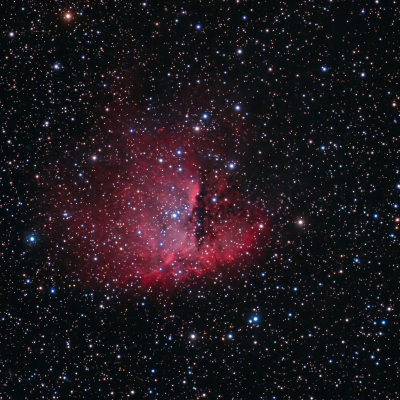
When it was first discovered in 1883, NGC 281 wasn’t given a name. However, after the release of a popular video game in 1980, astronomers began calling it the Pacman Nebula.
#artificialintelligence #ai #communication #employees #astrophotography #pacmannebula #theberkshirecompany

Missed a past newsletter? No worries they're all saved on our Thursday Thoughts on AI page.