

Artificial Inteligence
choosing
AI
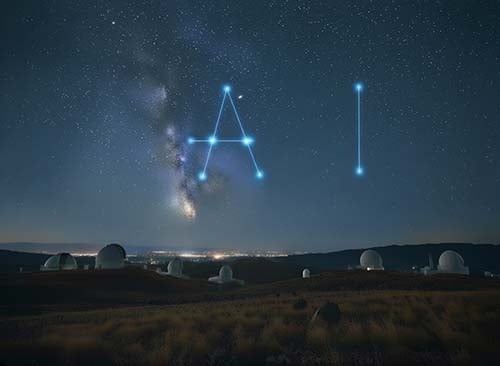

In many discussions, “AI” is used as a catchall phrase for tasks being conducted with artificial intelligence. We hear people say “we’re using AI at our company”, without needed context or explanation. When pushed,the person will explain that they are using ChatGPT or Claude or Copilot. And that’s as far as it goes.
It is generally accepted that there are 5 categories of AI.
Generative AI is the most commonly known category. These are programs that “generate” content. The systems use Large Language Models (LLM)as the engine. The LLMs compile information from the internet – or specific data sources – to create new text, images, etc. Popular systems are ChatGPT,Claude, Copilot and Gemini.
Machine Learning (ML) is when a system uses existing data to make decisions. The systems are built using “supervised learning” – a human grades every decision and lets the computer know what is right and wrong. That migrates into unsupervised learning, where the computer analyzes the actions of the user to refine its process. For example recommendations on Amazon and Netflix are powered by ML engines. A growing use of ML is fraud detection.
Natural Language Processing (NLP) allows the user to make ar equest or ask a question in ordinary human language. The system interprets the sentence and generates a response. Voice-activated assistants on phones are the best examples. Microsoft Copilot uses NLP to help users analyze spreadsheets and create charts.
Computer Vision is exactly what it sounds like – the system interprets visual information to make decisions. One of the earliest and most widespread uses of Computer Vision has been in analyzing x-rays. Autonomous vehicles and the facial recognition systems at airports rely on this type ofAI. There are exciting uses in print and mail that will be discussed in a future post.
Robotic Process Automation (RPA) computerizes repetitive tasks. For example, insurance companies will use RPA to determine whether a claim is covered under the insured’s policy (I was writing RPA scripts in the1990s). Combined with the four other types of AI, RPA has the potential to have the greatest impact on the jobs of the future.
Many systems overlap the categories listed above. Microsoft Copilot is a generative AI system that uses natural language processing and machine learning.
As leaders, we should understand the foundation of the systems we’re using. We don’t need to be programmers or engineers to have a grasp of the concepts driving the future. We also need to stay up to date on what’s happening – which we will cover in our next post.
See you next week!
Amazing Astronomical Fact: Eight of the nine planets (yes,Pluto is a planet) are named after Roman gods. Which one isn’t?
Why, its Earth! The word “earth” is derived from theGermanic/Old English words for “ground” and “soil”.